
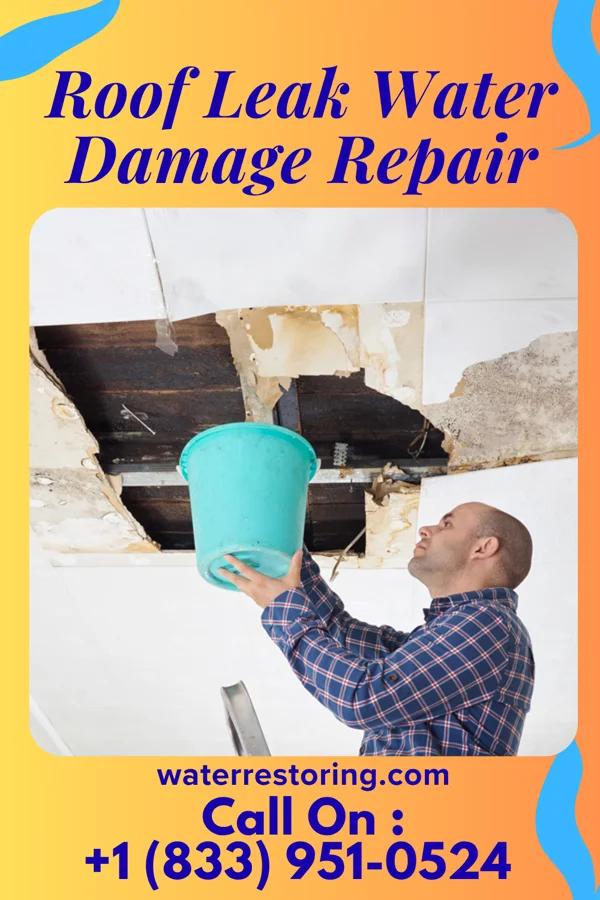
Why Roof Leak Damage Spreads in Grayson
Most water damage emergencies in Grayson start with Grayson, Louisiana experiences frequent thunderstorms and heavy rainfall, especially during the late spring and summer months. These intense downpours can quickly overwhelm roofing systems, leading to leaks and water damage. The region's humid climate also contributes to prolonged moisture exposure, increasing the risk of structural issues.. A close second is In addition to thunderstorms, Grayson is prone to occasional flooding due to its rural location and surrounding waterways. This can cause water to pool around foundations and seep into roofing materials, accelerating wear and tear. Seasonal humidity also plays a role in weakening roofing integrity over time.. From the second water touches the property, every minute changes what gets saved and what gets ripped out.
Grayson's humid subtropical climate means that moisture is a constant threat to roofing systems. The combination of frequent rain, high humidity, and warm temperatures creates an environment where water can penetrate roofing materials more easily, leading to leaks, mold growth, and long-term structural damage.
Most roof leak water damage repair calls in Grayson come from Grayson, Louisiana experiences frequent thunderstorms and heavy rainfall, especially during the late spring and summer months. These intense downpours can quickly overwhelm roofing systems, leading to leaks and water damage. The region's humid climate also contributes to prolonged moisture exposure, increasing the risk of structural issues.. Running a close second is In addition to thunderstorms, Grayson is prone to occasional flooding due to its rural location and surrounding waterways. This can cause water to pool around foundations and seep into roofing materials, accelerating wear and tear. Seasonal humidity also plays a role in weakening roofing integrity over time.. Local mold risk: Mold can begin to grow within 48 hours of water exposure in Grayson due to the region's high humidity. This poses a significant risk to indoor air quality and can lead to secondary damage such as wood rot and compromised insulation, especially in older homes with inadequate ventilation.